
Website Management
Keep Your Website Working Long After Launch
A website needs ongoing attention to remain secure, fast, accurate, and useful to your customers. Website management brings hosting, maintenance, updates, backups, performance monitoring, and support together — so problems are handled before they disrupt your business.
Cindaro’s website-management resources explain what happens after launch, what business owners need to monitor, and when professional management makes more sense than doing everything yourself.
What Website Management for Small Business Actually Covers
Effective website management isn’t a single task. It’s a continuous set of responsibilities that work together to keep a site healthy, secure, and performing at its best.
Security updates and patch management keep the platform protected as new vulnerabilities are discovered and disclosed. Performance monitoring and performance optimization ensure the site stays fast as content, plugins, and integrations accumulate over time, using analytics tools to track essential metrics for performance monitoring and understand user engagement. Regular backups provide a reliable safety net when updates fail or security incidents occur. Technical health checks and routine maintenance tasks catch broken links, missing images, indexing errors, and accessibility issues before they affect visitors, user experience, or search rankings, since failing to monitor website performance can also leave outdated content in place.
Each of these responsibilities requires ongoing attention — not a one-time setup. A site that was properly configured at launch will gradually drift without active management, accumulating the small problems that compound into large ones.
Understanding what website management actually includes is the starting point for every small business that wants its website to keep working as hard as the business needs it to.
Explore Website Management
Ongoing maintenance
Security and backups
DIY vs. managed
What a managed partner does
Featured Articles

Website Maintenance for Small Businesses: Why Ongoing Management Matters
Quick Takeaways A website isn't something you build once and move on from. Like any…
Website Downtime: Causes, Costs, Prevention, and Recovery for Small Businesses
Quick Takeaways Every website experiences problems eventually. What separates a minor interruption from a serious…
Why Website Backups Are More Important Than You Think
Quick Takeaways Why Website Backups Are More Important Than You Think Most small business owners…
The Hidden Costs of DIY Website Maintenance
Quick Takeaways The Hidden Costs of DIY Website Maintenance DIY website maintenance costs more than…
Why Small Businesses Need a Managed Website Partner
Quick Takeaways Why Small Businesses Need a Managed Website Partner The relationship most small businesses…
How Regular Updates Prevent Website Failure
Quick Takeaways How Regular Updates Prevent Website Failure Website updates feel like maintenance. Routine. Unglamorous.…
What Website Management Actually Includes
Quick Takeaways What Website Management Actually Includes What does website management include? It's a question…
Why Websites Need Ongoing Maintenance and Management
Quick Takeaways A website can look finished when it launches. The technology behind it isn't.…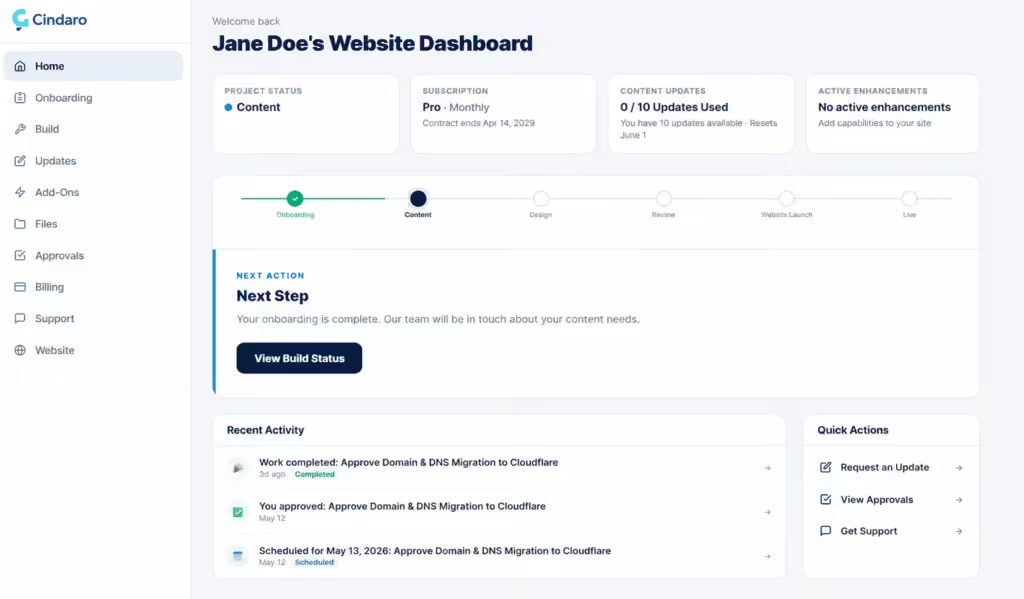
The Future of Small Business Websites Isn’t DIY — It’s Managed
Why Website Management Matters More Than Most Owners Realize
Frequently Asked Questions About Website Management for Small Business
What does website management for small business include?
Website management for small business typically includes security updates and patch management, performance monitoring and optimization, regular backups, uptime monitoring, technical health checks, ongoing support, plus related maintenance services and broader management services, including strong website security to protect customer data. It may also include content updates, SEO maintenance, and infrastructure oversight, including the technical aspects that require ongoing oversight, such as using SSL to encrypt data and enhance trust with visitors, along with strong access control measures like unique passwords and MFA, depending on the service.The full scope is covered in detail in what what website management actually includes — which outlines each component and explains why it matters for a seamless user experience and the website’s performance. The exact scope may vary depending on the website manager or provider overseeing the site.
How much does it cost to manage a small business website?
The cost of website management varies significantly depending on the scope of services and the model. DIY management appears free but carries hidden costs in time, reactive repairs, and security incidents that typically exceed the cost of a managed service when added up honestly. Professional managed website services for small businesses typically range from a fixed monthly fee covering everything to variable arrangements based on hours or incidents. The hidden costs of DIY website maintenance covers this comparison in detail.
Why do websites need ongoing maintenance after launch?
Websites run on platforms — like WordPress — that require regular security updates, plugin maintenance, and performance optimization. Without ongoing maintenance, software becomes outdated and vulnerable, performance degrades as content and integrations accumulate, and technical issues compound into larger problems. Why websites break without ongoing management explains exactly how this happens and why it’s predictable rather than exceptional.
What is a managed website service?
A managed website service is an ongoing arrangement where a provider handles all aspects of website management — hosting, security, updates, performance, and support — under a single monthly service. Rather than owning a website and managing its problems reactively, a business receives a professionally maintained website as a continuous service. Why small businesses need a managed website partner covers what this relationship looks like and why more small businesses are moving toward it.
How often should a small business website be updated?
Security updates should be applied as soon as they’re released — delays create exposure windows that attackers actively exploit. Platform and plugin updates should be applied promptly and tested for compatibility. Content and technical health checks should happen regularly — at minimum monthly. Performance should be monitored continuously rather than checked occasionally. How regular updates prevent website failure covers the update cadence and why each type of update matters.
Have Questions?
Choosing the right plan is an important decision. If you have questions about features, onboarding, support, billing, or the Cindaro process, we’re happy to help.
Every Cindaro plan includes managed hosting, security, maintenance, and ongoing support designed to keep your website running smoothly long after launch.